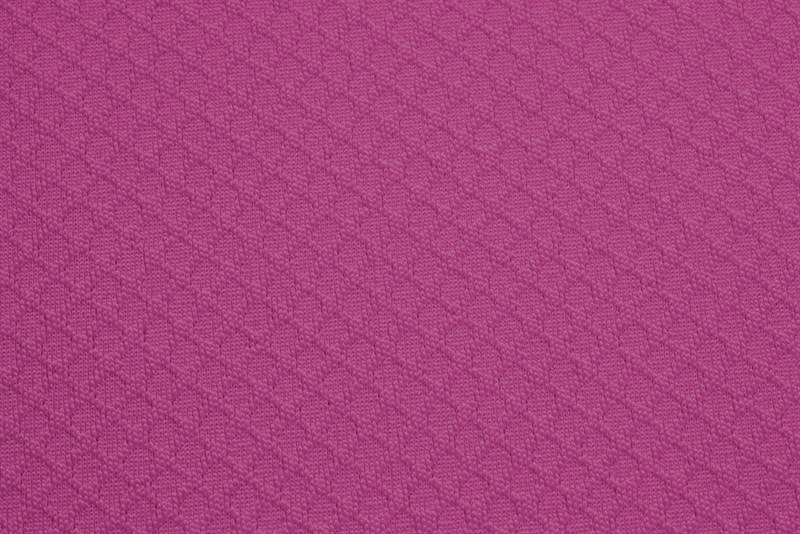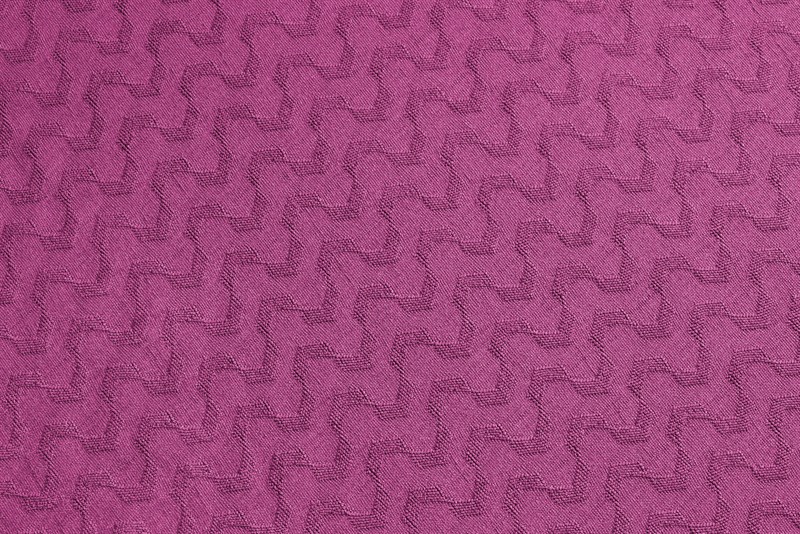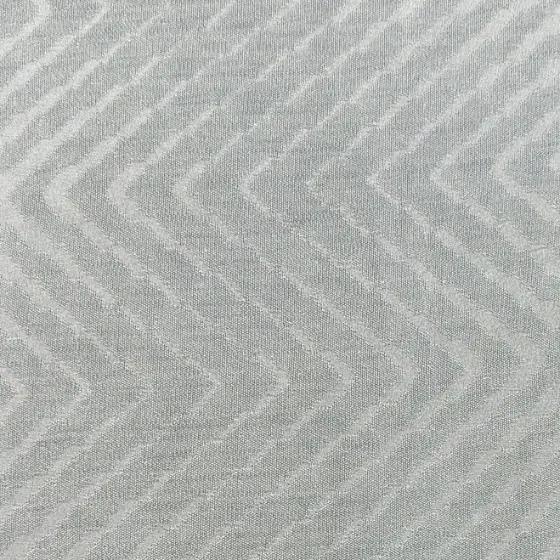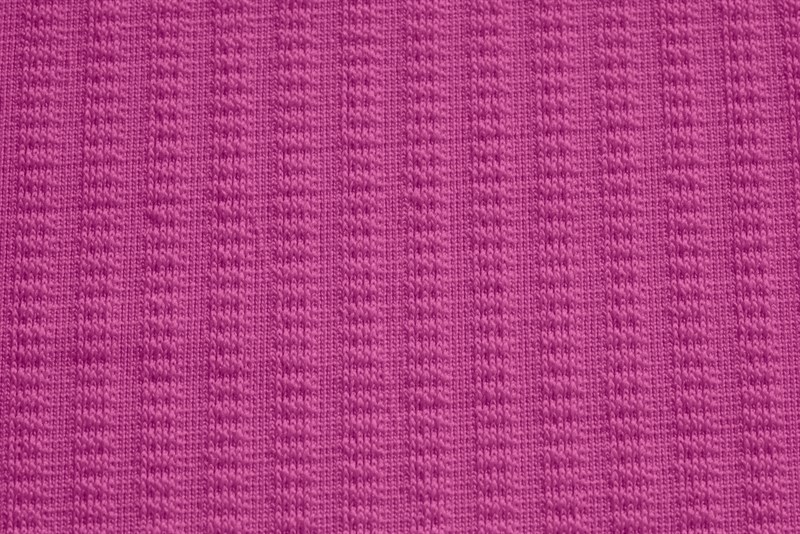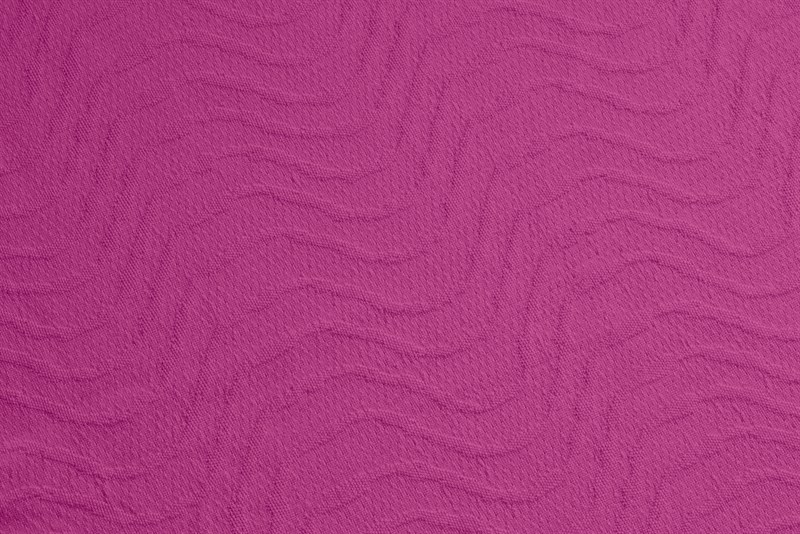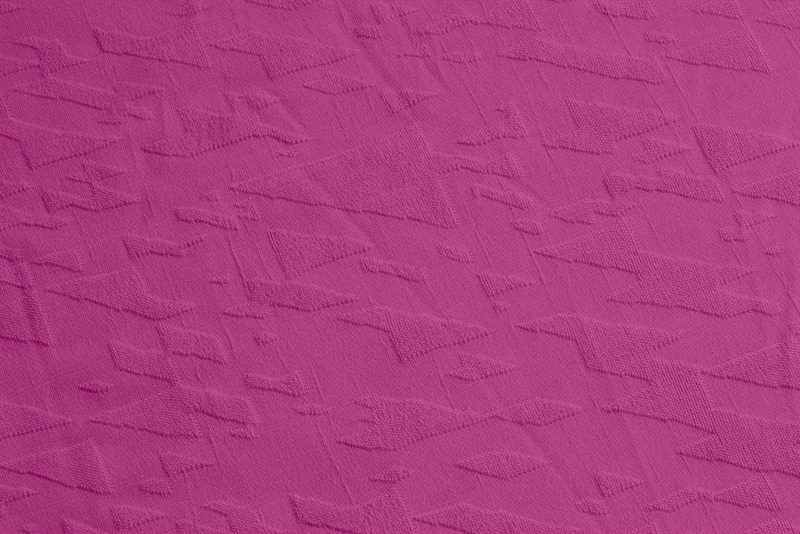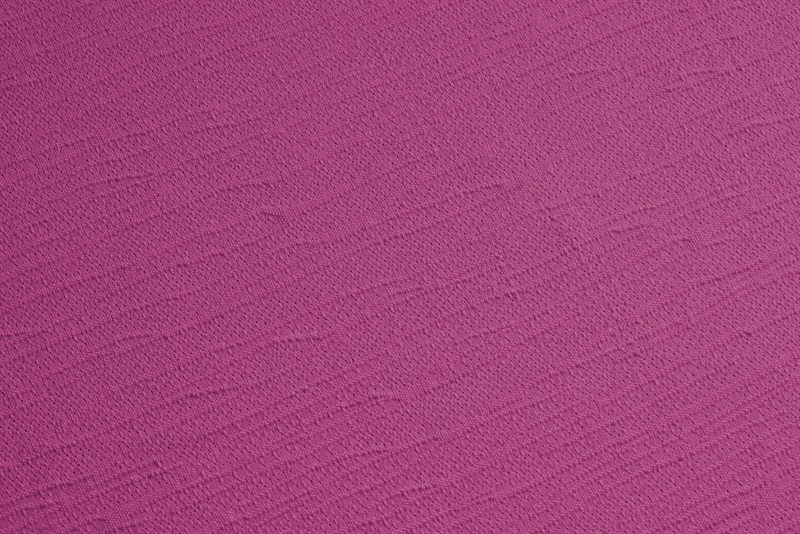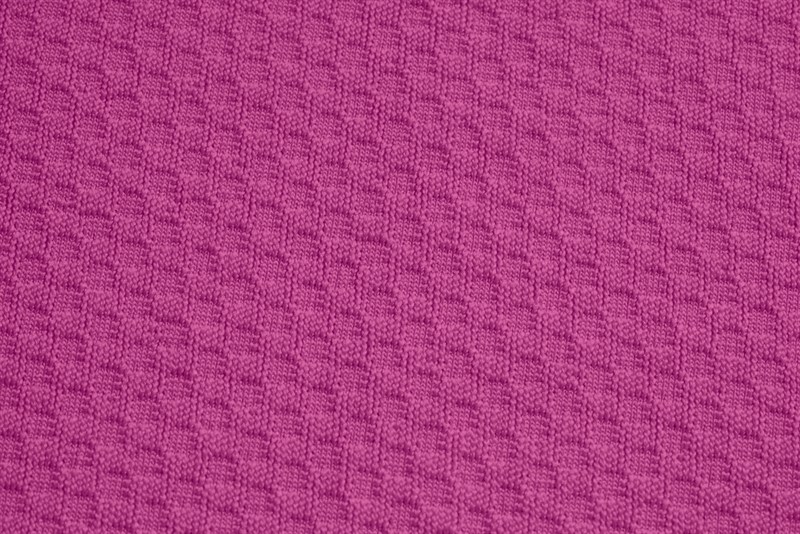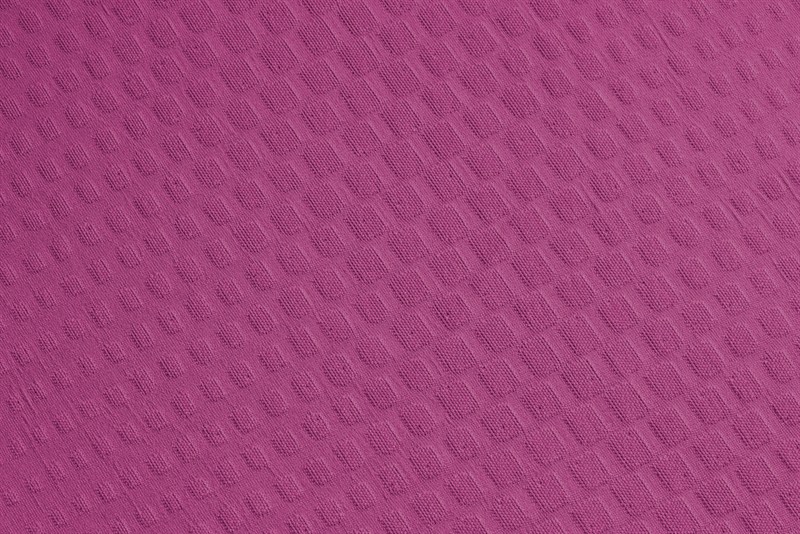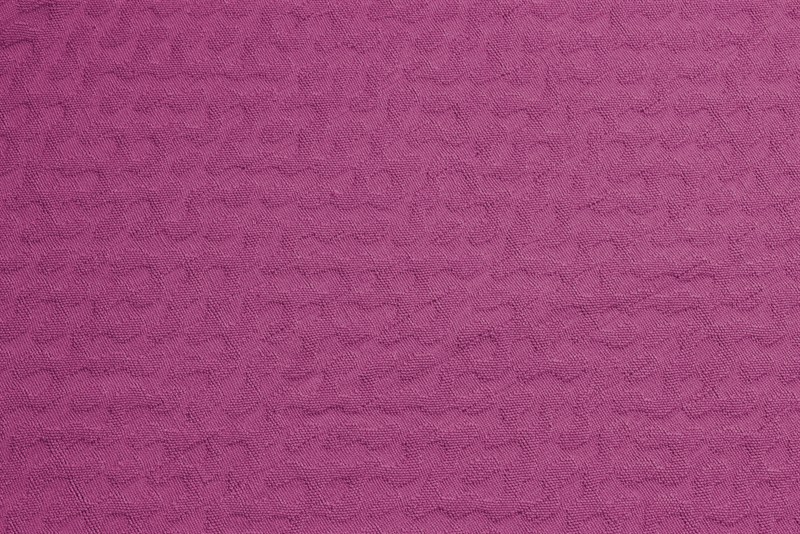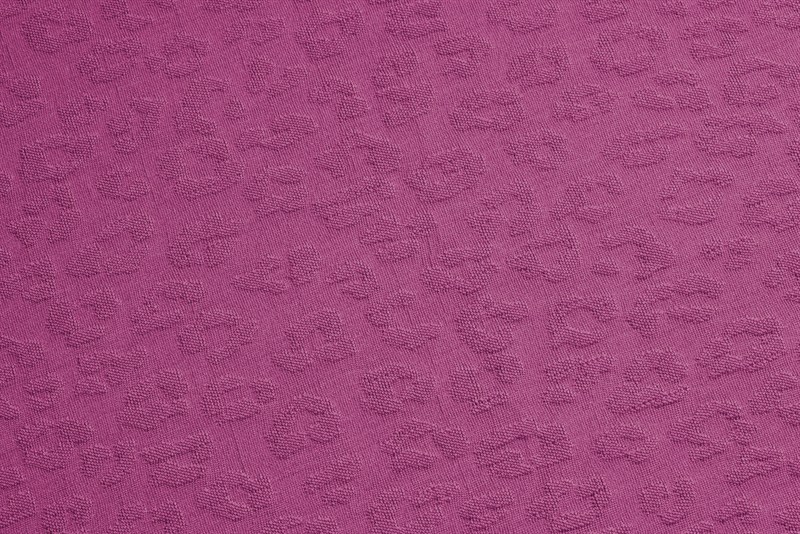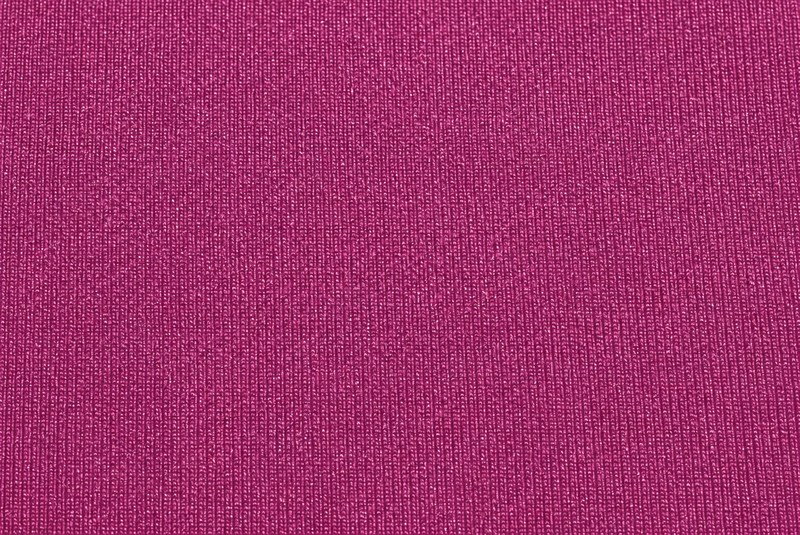
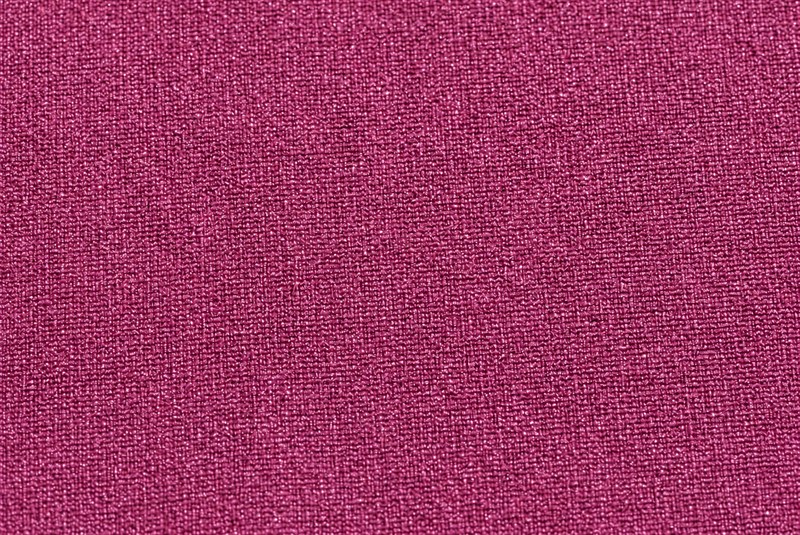
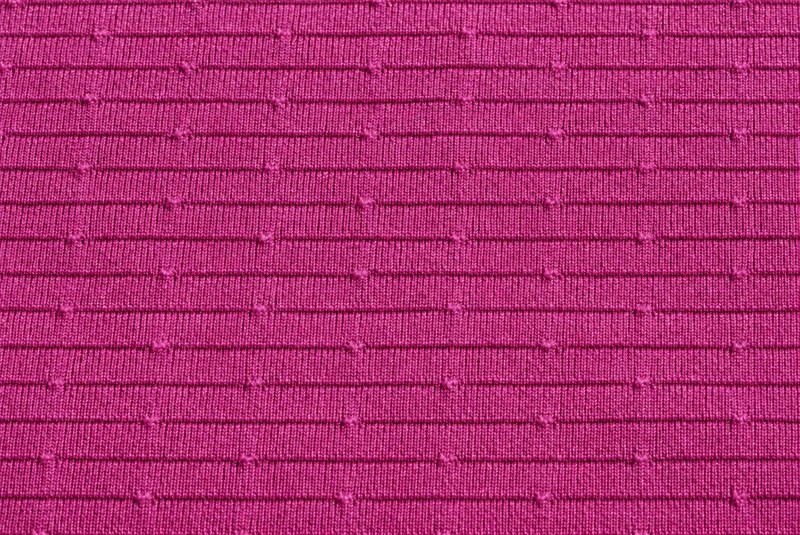
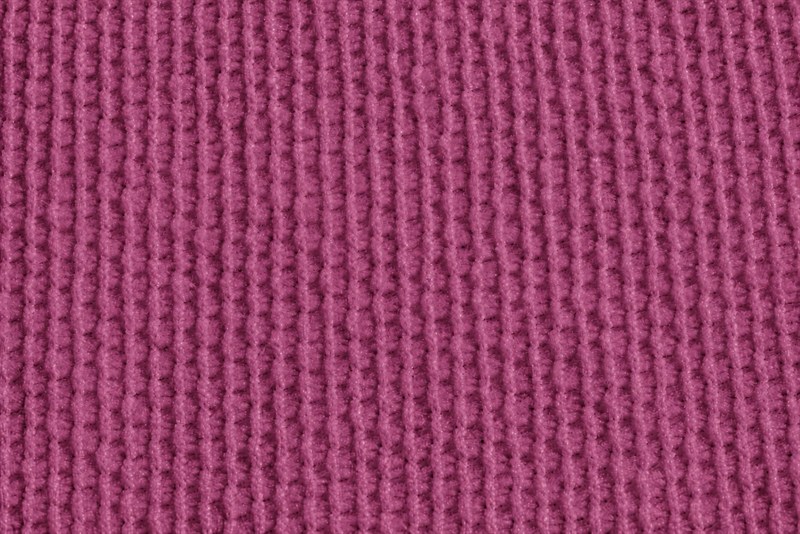
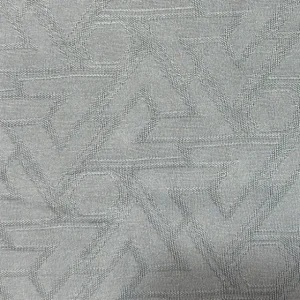
Real image of texture With neutral light and the same product code

Specifications with tolerances Width, weight, thickness
Gharavi Textile Industries; Professional roots in textiles since around 1979

Choose sports fabric with clear name, code and data

Since 2014, Newtex has developed its independent path in the production of polyester sports fabrics, based on the Gharavi family’s decades of experience. Here you can see product families with comparable specifications and get advice on choosing the right one for your production.

Fabric with independent page and code
0
Starting an independent career
0
Stage in the production process
0

See the type of weave, percentage composition of fibers, grammage, width of the arch, meters per kilo, thickness and elasticity side by side. The unique name and code help you inquire more precisely about the same product you have reviewed.

Path of choice

Start with the application; decide with the data.

Intended use

Selected

A few starting points for comparison

Choose the top and pants style, specify single color, two-color, or three-color, and color each section. Send the same design with your request for sale.

Design studio

See the fabric on the product form.

Digital color display is approximate; final selection is based on sample or sales confirmation. Studio colors are design suggestions and do not represent inventory or confirmed product color.

Data

Read the specifications next to the sample.

The fiber composition, width, grammage, m/kg, thickness and elasticity of each product are displayed independently. This data helps in decision making when read together with your application, sample and production process.

The percentage of each fiber in the fabric. The sum of the percentages is 100; for example, “94% polyester / 6% elastane.”

The width is recorded in centimeters and the grammage in grams per square meter. The number after ± is the recorded tolerance, which is the code.

The width is recorded in centimeters and the grammage in grams per square meter. The number after ± is the recorded tolerance, which is the code.

Approximate fabric length per kilogram and recorded thickness in millimeters, both with tolerances; for initial comparison between codes.

A qualitative description of the source (low, medium or high) in both directions of the fabric. This description is not a test number and should be checked on the sample.

Sample specification reading

Scuba Soft

Scuba Soft

10000284

01_Product_Code_10000284

Code

10000284

02_Composition

Composition

94/6

03_Weight_285

Heat

285±15 GSM

04_Width

Width

152±2 cm

05_Thickness

Thickness

0.9±0.1 mm

06_Stretch

Elasticity

Medium width

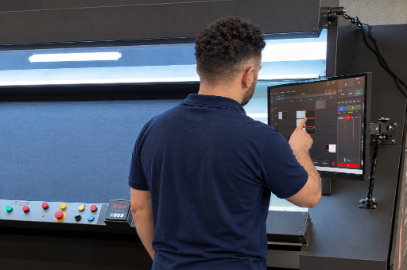
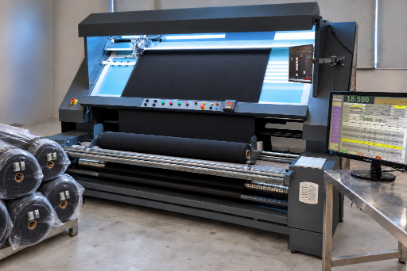
Process control, product-specific tests, specialized inspection, and an intelligent surface defect detection system provide complementary data for the evaluation of each vault. The final QC result is announced based on the defined test scope and grade.

Process

Multi-layer control; from production to QC decision

1

Yarn selection and knitting pattern

Raw materials are selected based on the product's purpose and samples are reviewed for technical approval.
2

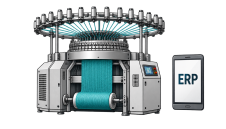
Controlled weaving

Production settings and related specifications are recorded and monitored.

3

Developing or matching colors in the laboratory

The target color becomes a verifiable sample.
4

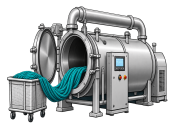
Controlled dyeing

The process is carried out based on the sample and approved parameters.
5

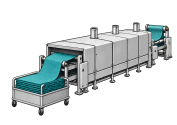
Thermal finishing and stabilization

The operation is adjusted to suit the product to achieve the expected dimensional and characteristic state.

6

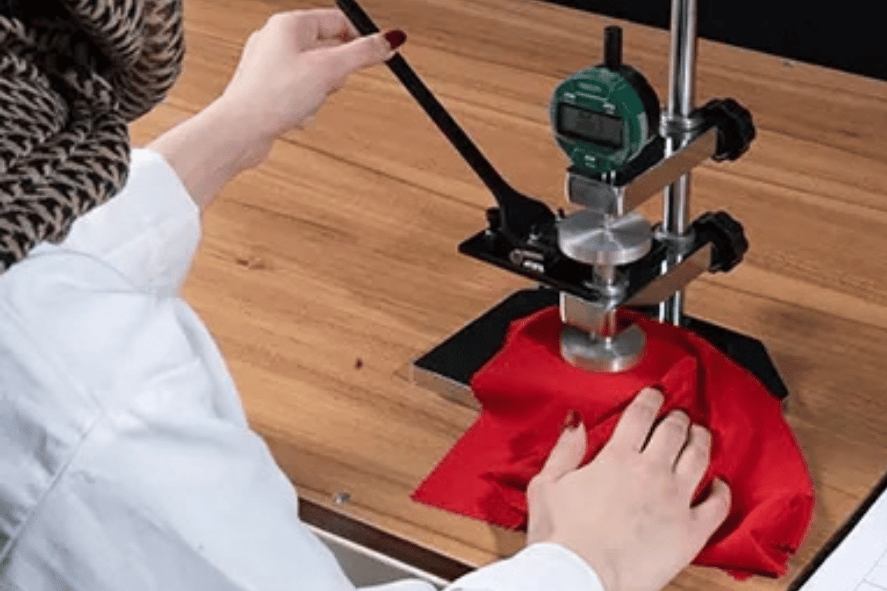
Testing and quality control

The specifications associated with each product are measured and the results are recorded.
7

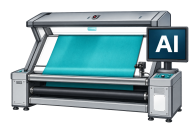
Manual and intelligent visual inspection

QC specialists and AI systems identify and record surface defects.

8

Grid and tracking

Each vault is assigned a grade of A+, A, B, or C based on internal criteria, and records are recorded in the ERP.
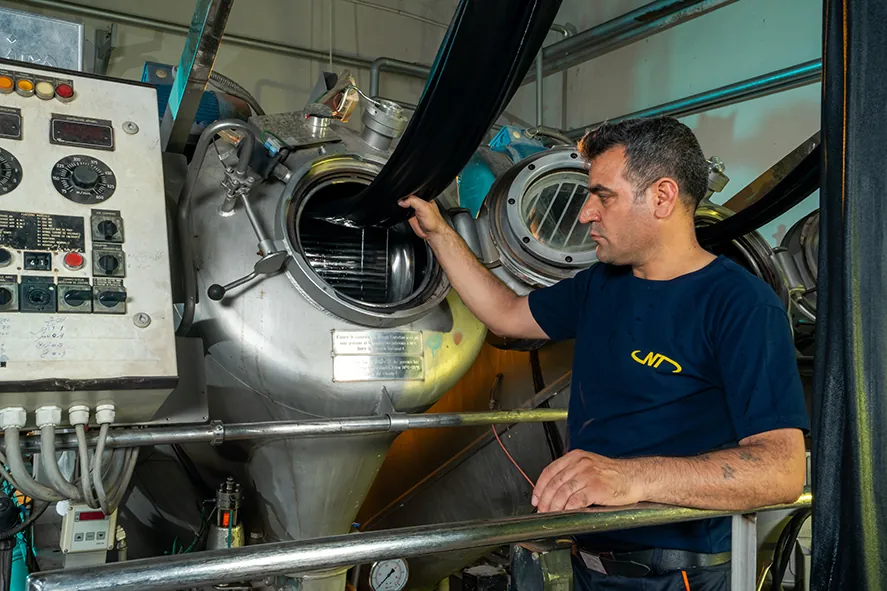
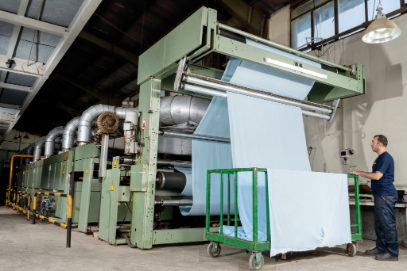
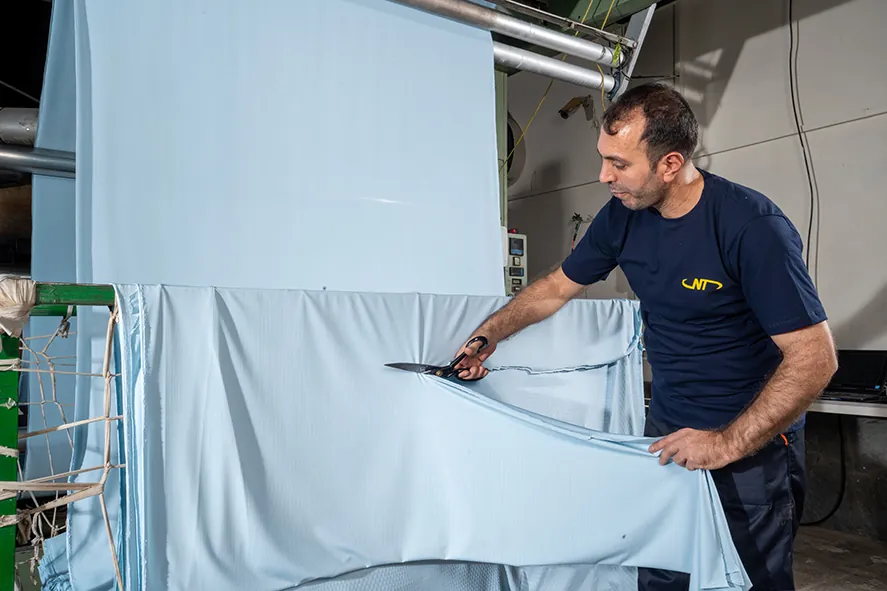
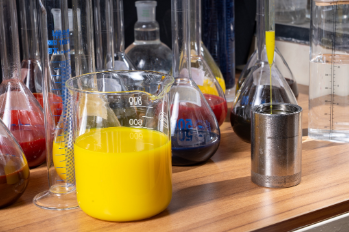
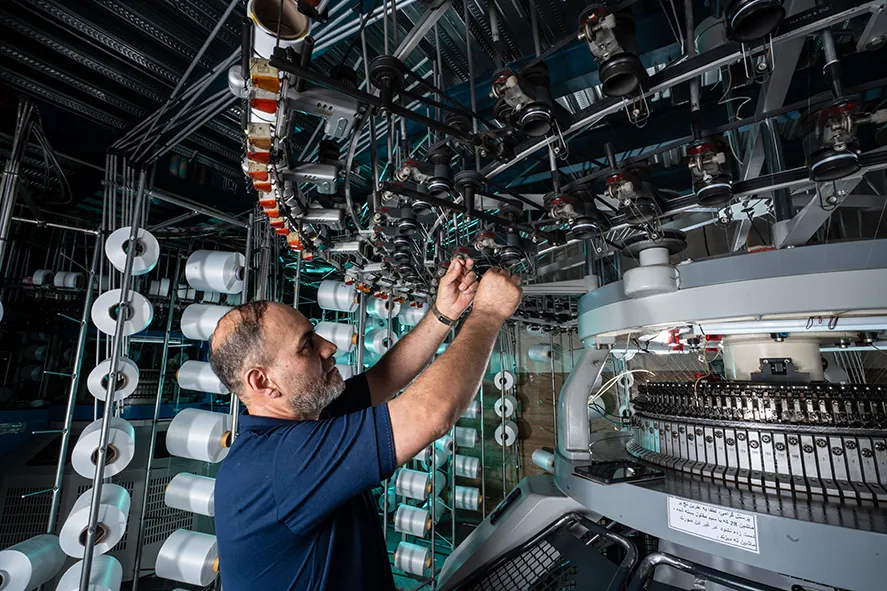
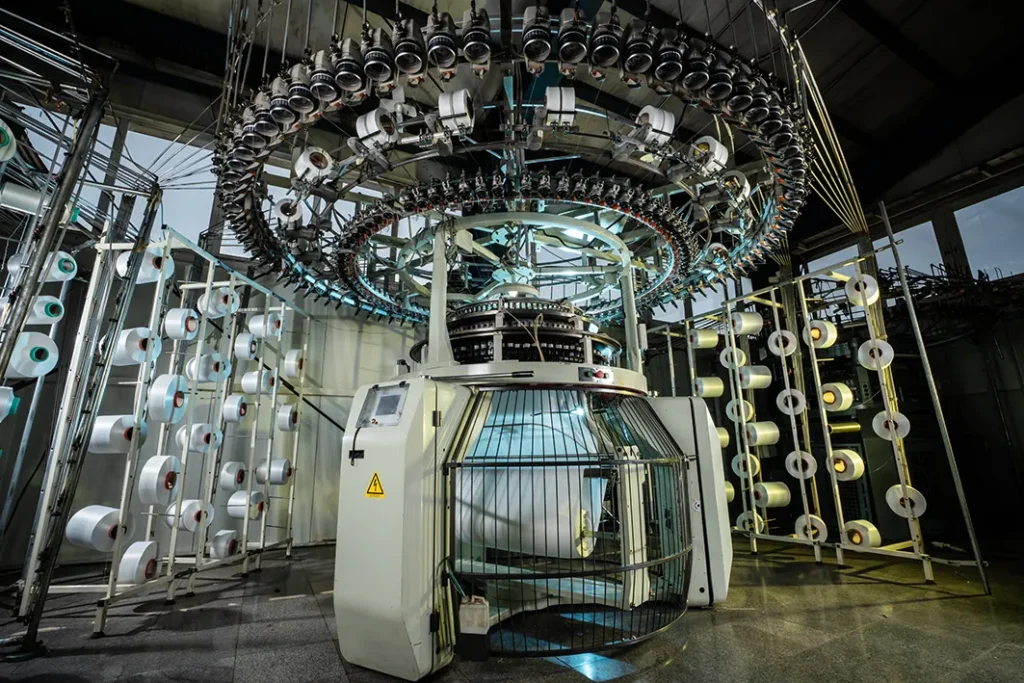
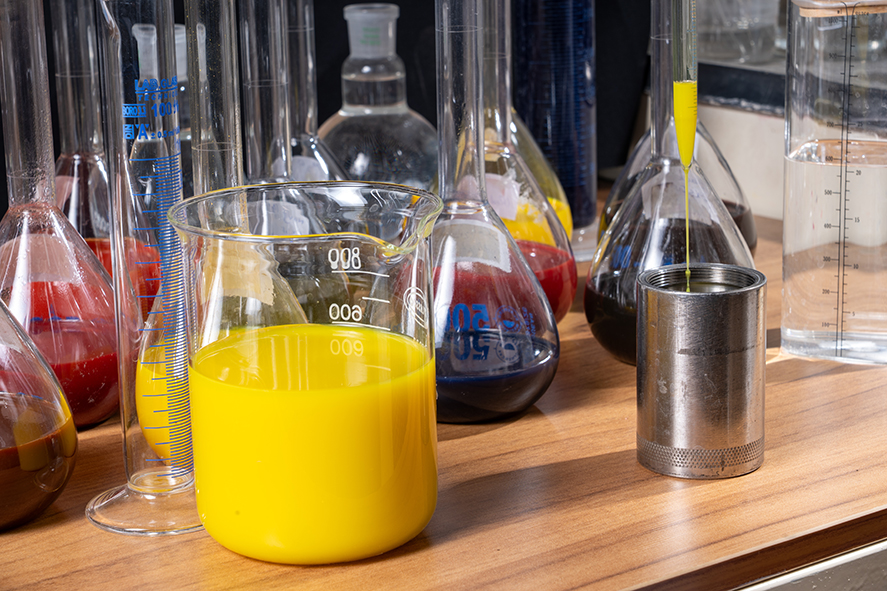
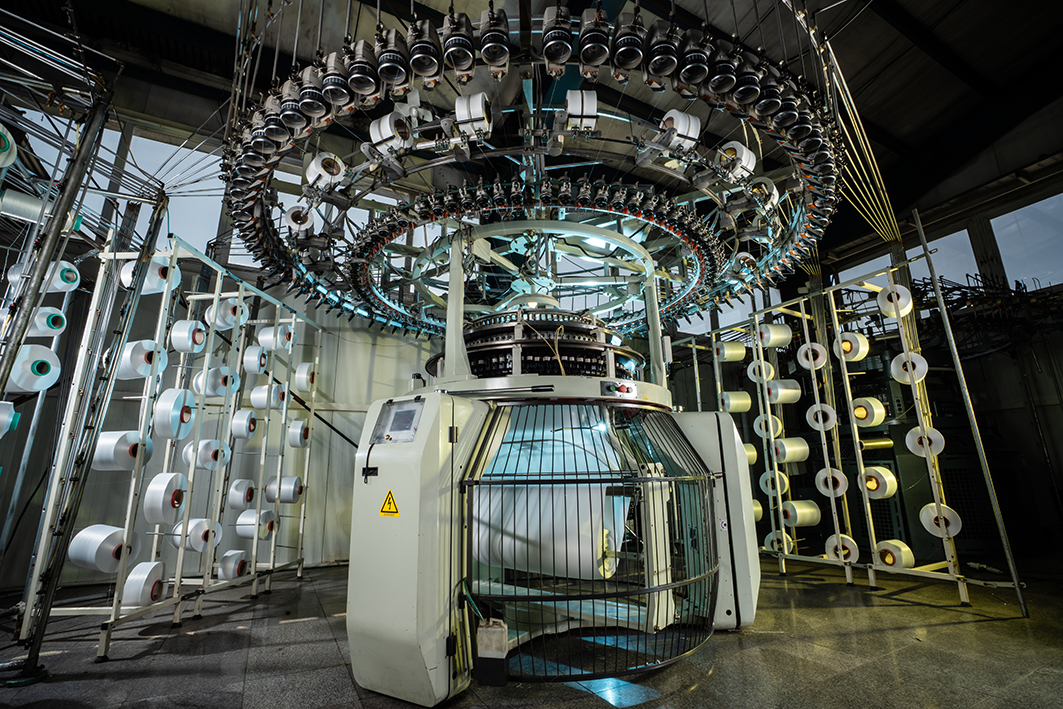
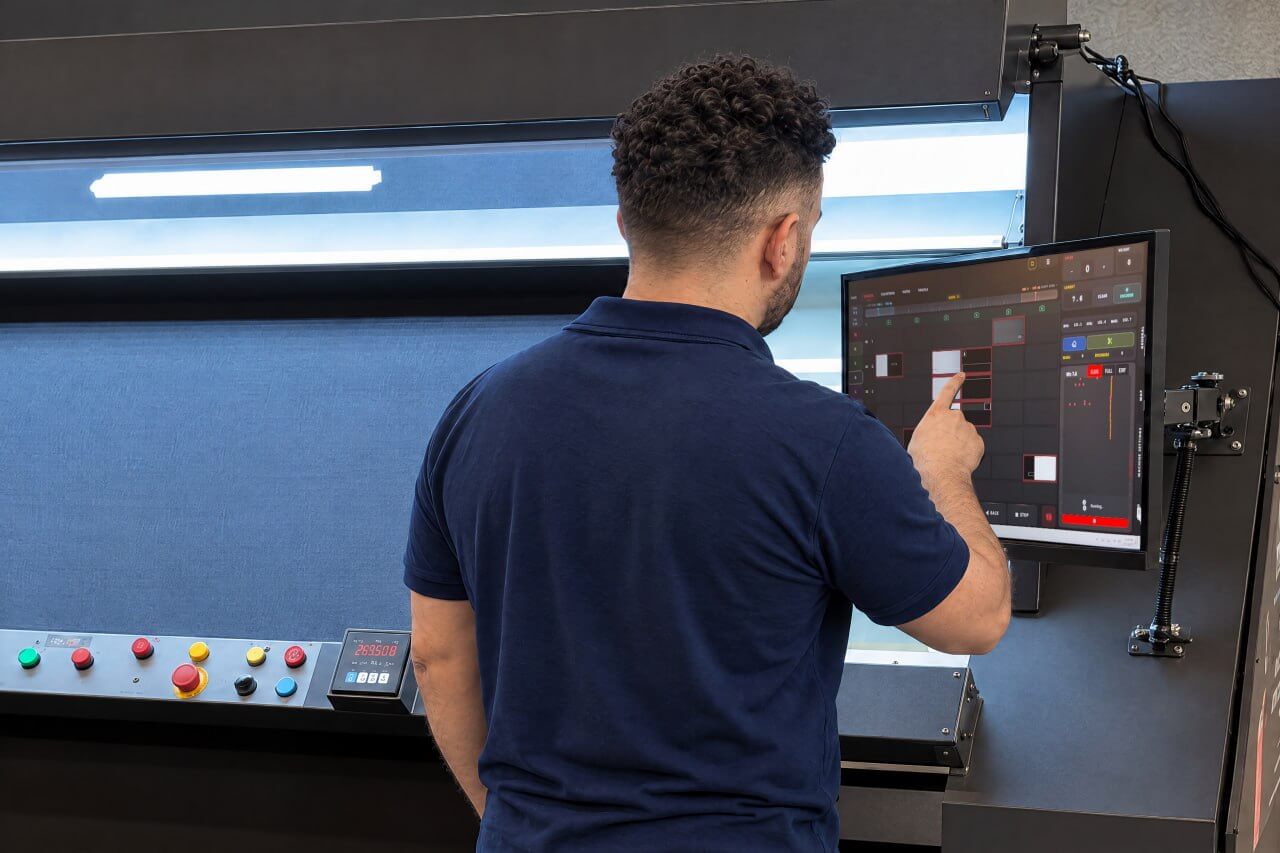
Images of weaving, dyeing, finishing, inspection and laboratory in the Newtex complex.

Inside the factory

Take a close look at the production process

2014

Newtex begins independent activity

About us

Before Newtex, a family path in textiles

The Gharavi family’s professional history in the textile industry dates back to around 1979. Newtex was formed in 1994, along with the purchase and expansion of an old dyeing factory, as an independent brand of Gharavi Textile Industries, focusing on polyester sports fabrics.

2014

Newtex begins independent activity

1979

The Gharavi family’s professional roots are in textiles.

From reading specifications to understanding the quality path; a few minutes to make a more informed fabric choice.

Fabric knowledge

What's new in Newtex Magazine

What is fabric grammage and how to read it?

What does the weight of a square meter of fabric tell us? A guide to reading grammage and tolerances on the product card.

Sample article

Width of the arch and meters per kilo; two important numbers for choosing fabric

For an initial comparison of fabrics, look at the width and meters per kilo side by side and base your inquiry on the product code.

Sample article

What role does artificial intelligence play in fabric quality control?

Visual defect detection, laboratory testing, and expert judgment each play a distinct role in fabric evaluation.

Sample article

The current articles are examples and are included for magazine display.

With your choice

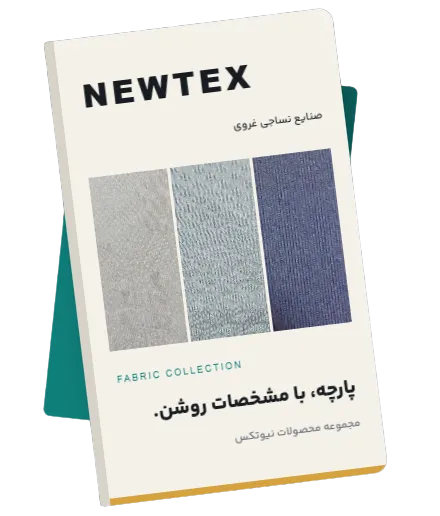
Digital catalog
Newtex

From understanding fabric families to reviewing specifications; browse the Newtex collection in one place and make a more accurate choice when discussing with the sales team.

47 pieces

Official name and
proprietary code

Product
specifications

Texture, weight,
width and elasticity

Quality path

Production process
and quality control

Access without registration · The PDF file becomes available after uploading.

Talk to Newtex for a more accurate selection.

Share your production specifications and expectations from the fabric with the Newtex team.

Request for advice