Process

Quality and Process: Data for Clearer Decision-Making

At Newtex, quality is not just a broad claim. Product specifications, process control, testing, visual inspection, grading, and production records collectively form the basis for evaluation.

Eight Stages

From Thread to Recorded Information

01_Yarn_Evaluation

1

Yarn Selection and Sample Knitting

The yarn is selected based on the product; a sample fabric is woven and then examined in the laboratory for initial approval.

02_Knitting_ERP

2

Controlled Weaving

Production settings and related specifications are recorded and monitored.

03_Lab_Colour_Development

3

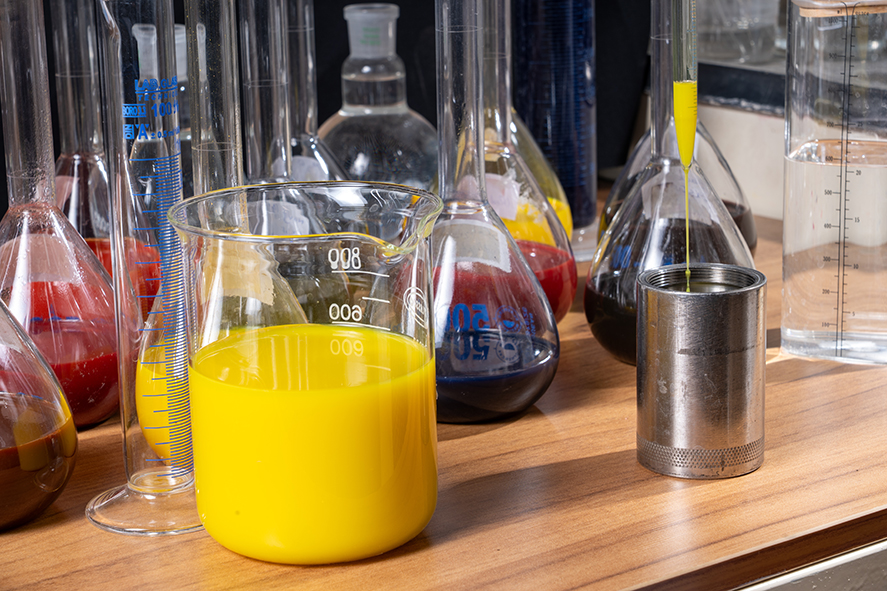
Color development or matching in the laboratory

The target color is transformed into a verifiable sample.

04_Controlled_Dyeing

4

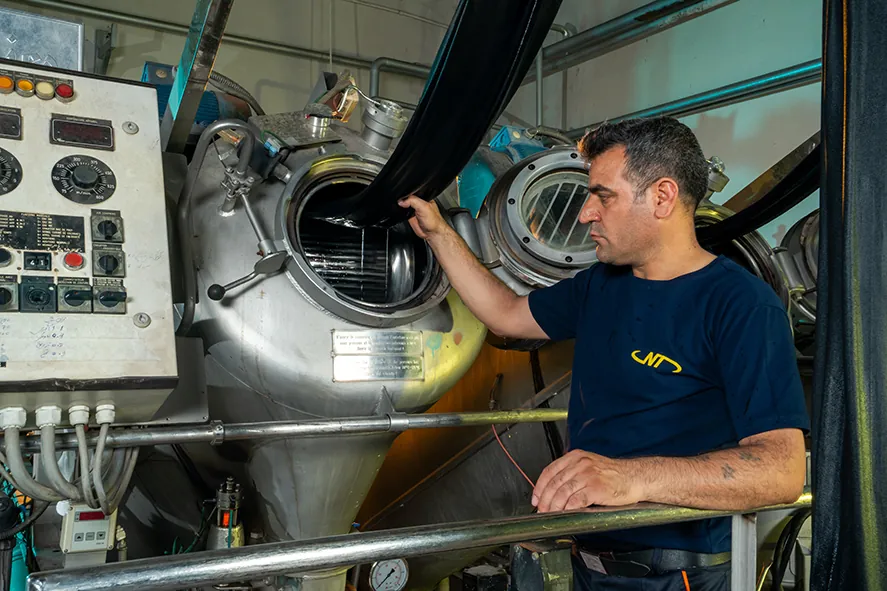
Controlled Dyeing

The process is executed based on the approved sample and parameters.

05_Finishing_Stenter

5

Thermal finishing and stabilization

Product-specific operations are adjusted to achieve the expected dimensional status and characteristics.

06_Quality_Control

6

Testing and Quality Control

Specifications related to each product are measured, and the results are recorded.

07_AI_Inspection

7

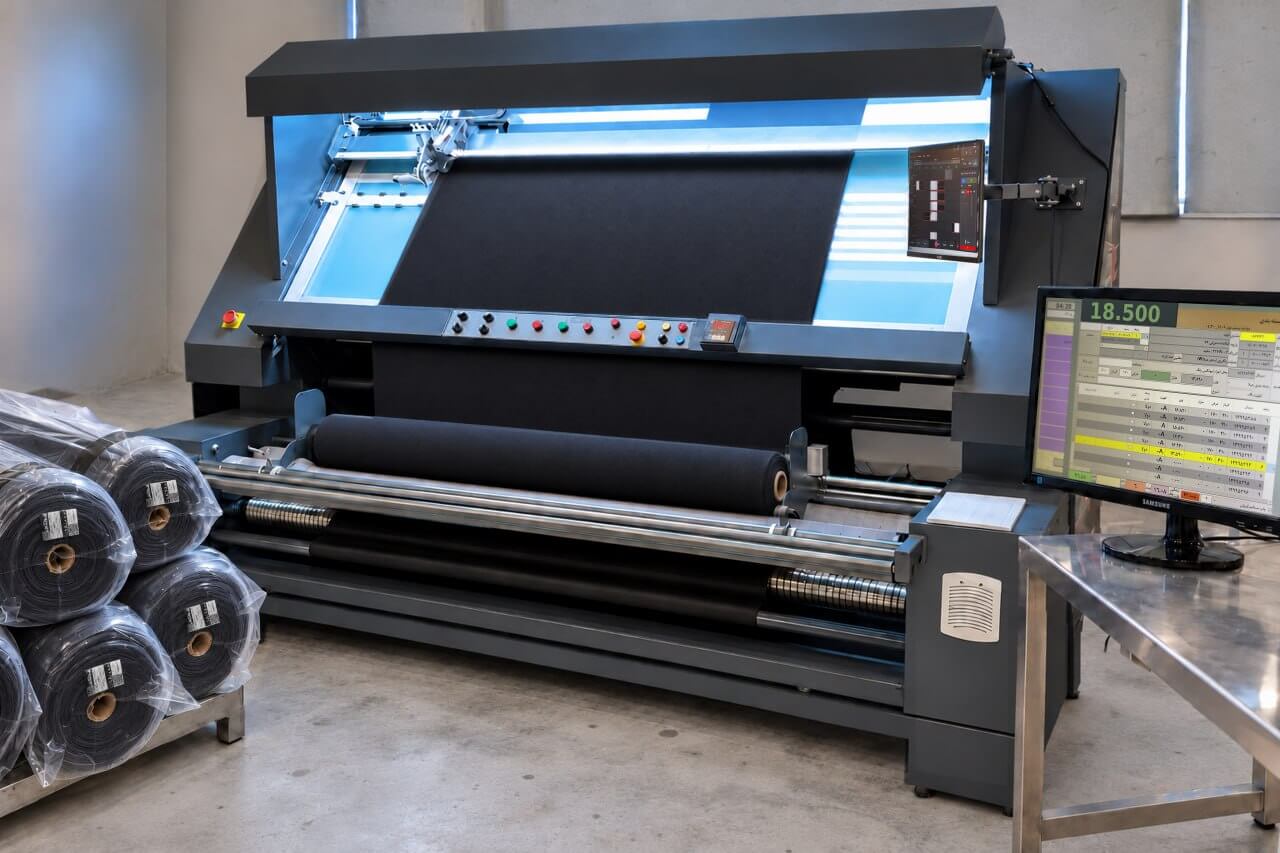
Manual and Intelligent Visual Inspection

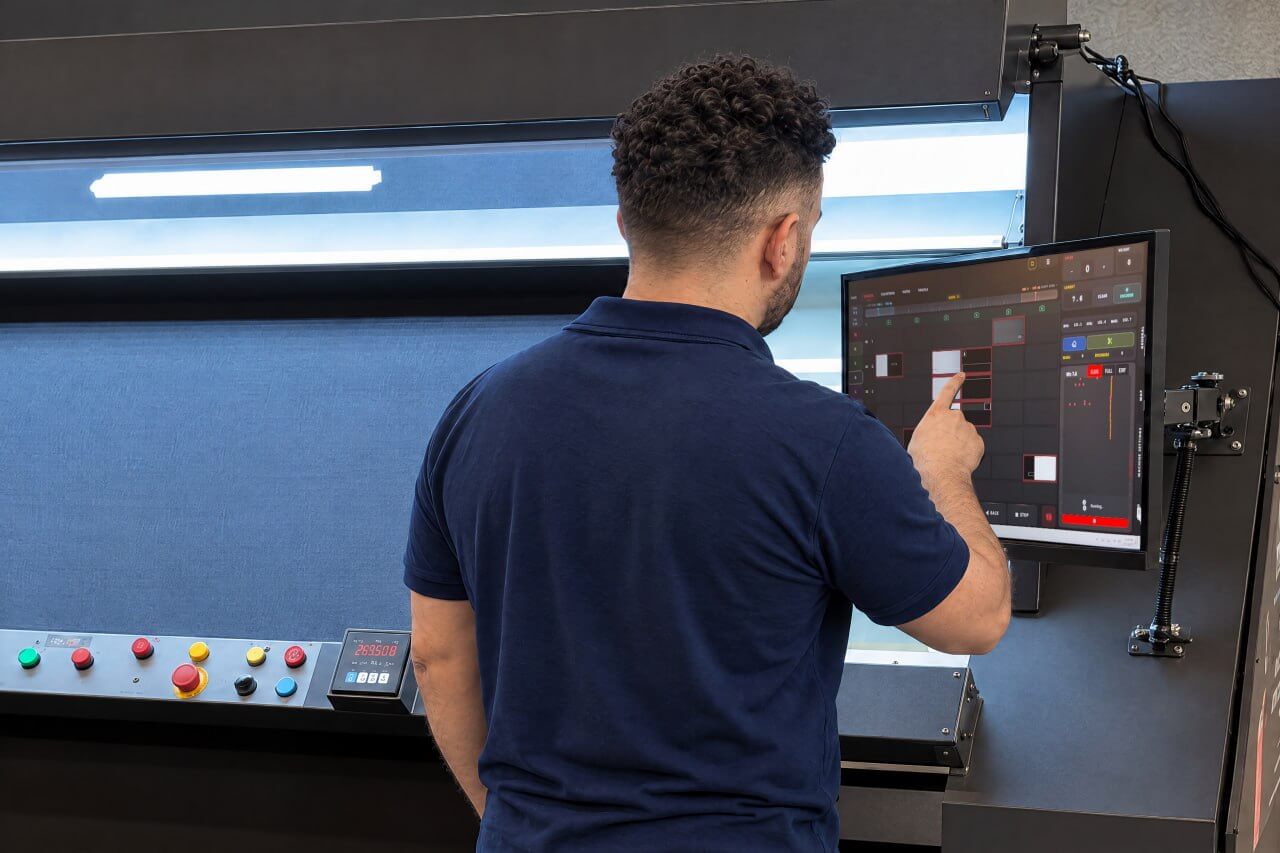
A QC specialist and an AI system identify and record surface defects.

02_Knitting_ERP

8

Grid and Tracking

Each roll is assigned a grade—A+, A, B, or C—based on internal criteria, and the records are entered into the ERP system.

Following testing and inspection, the final grade is determined by the QC department and recorded in the ERP system alongside the roll’s specifications.

Quality Control

A result is valid only when its scope is clear.

Every publishable result must specify the method, criterion, value, unit, status, date, and the associated product or sample. The absence of an acceptance criterion must not result in a “pass” designation, and the result obtained for a single sample cannot be generalized to the entire production.

Laboratory

Tests tailored to each product

The tests to be performed are selected based on the product type and the approved scope; these include checks for roll width, basis weight (grammage), thickness, meters per kilogram, elasticity, and dimensional changes—as well as tests for color fastness, abrasion, or pilling, provided these are conducted and recorded. Each result must include the test method, scope, unit of measurement, and date.

This list does not imply that all tests are to be performed for all fabrics.

Quality Control with Artificial Intelligence

Intelligent detection of surface defects, alongside expert decision-making

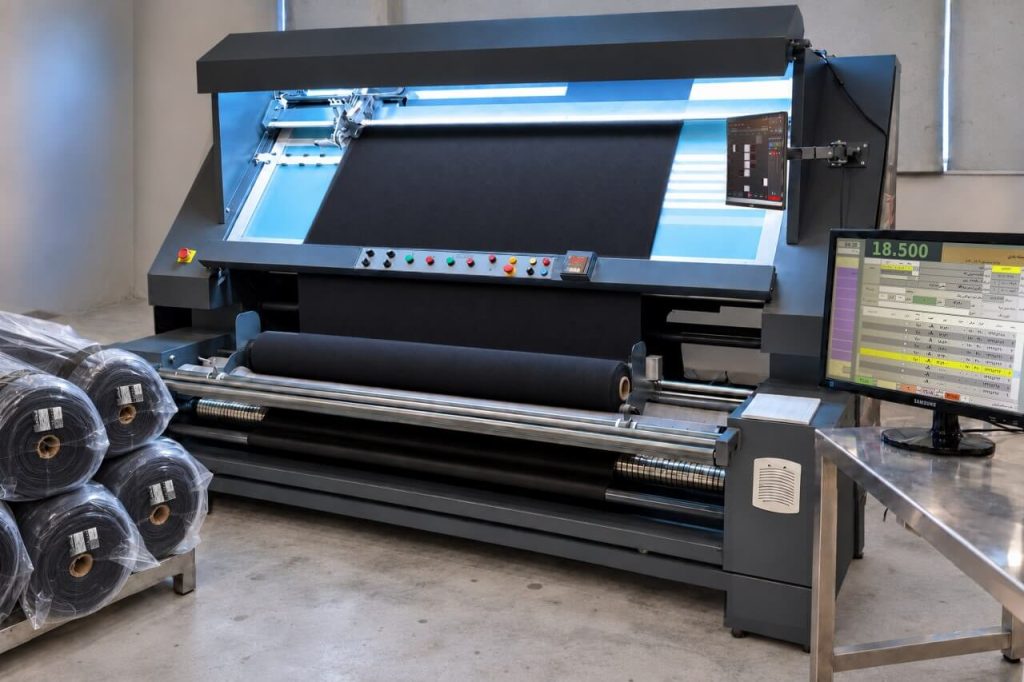
The Newtex intelligent inspection system is used to monitor the fabric surface, detect and record visible defects, and create a reviewable history. The system’s data enables the QC team to quickly examine the location and type of defects, and to view inspection evidence alongside laboratory test results and production records.

System Scope: Visible Surface Defects

AI does not replace the testing of chemical properties, color fastness, elasticity, fabric weight (grammage), or dimensional changes. The system serves as an input for quality control (QC) decision-making; the final grade and decision are determined by a specialist.

Inspection and Scoring

Grading is the evaluation of the fabric roll itself.

Each roll is classified into one of four levels—A+, A, B, or C—based on the quality control protocol. The grade assigned to a specific roll does not apply to all products of the same model.

An “A+” grade indicates that a roll is either free of defects or contains a maximum of two minor defects; this designation does not imply that the item is flawless or holds a global ranking. Detailed criteria for the other grades will be announced following approval by the Quality Control (QC) department.

A single, continuous roll that is either free of defects or contains a maximum of two minor defects; subject to final approval by the QC department.

Inspection and Scoring

A clear report with a defined scope and date

Upon request, a report concerning a specific product or roll can be provided, within the scope of disclosable information. This report specifies what was examined, the result and the corresponding unit of measurement, the date of the examination, and the specific product or roll to which the result applies.

The report includes the product or roll identifier, the name of the test, the result and unit, the date, the scope of validity, and the permitted grade. Specific details regarding the yarn, the supplier, and production formulas are kept confidential; however, the percentage composition of the fibers is disclosed.

Tracking

From product code to roll history

The product name and code are linked to internal production and quality control (QC) records within the ERP system. Once the product or roll is officially released, its unique QR code can provide controlled access to specific, shareable information.

Public access to roll-specific reports is not yet an active feature; until its launch, the official product page serves as the primary public source of information.

Quality FAQs

No; the tool for detecting and recording surface defects serves as a supplement to the expert's assessment.

No; the scope of the test is commensurate with the product and the request or the approved procedure.

To that same examined roll—not all products under a single product name.

Yarn details, supplier, and production formulas.

Get in touch with us for a technical review of a product.

Please submit the product name or code along with the technical subject so that your request can be tracked.